
Breadcrumb
Scalping in Indian Stock Market
0/5 Stars Reviews (0) | 01 Feb 2025 / | Stock Market | Shekhar D | Visitor's : 37
What Is Scalping?
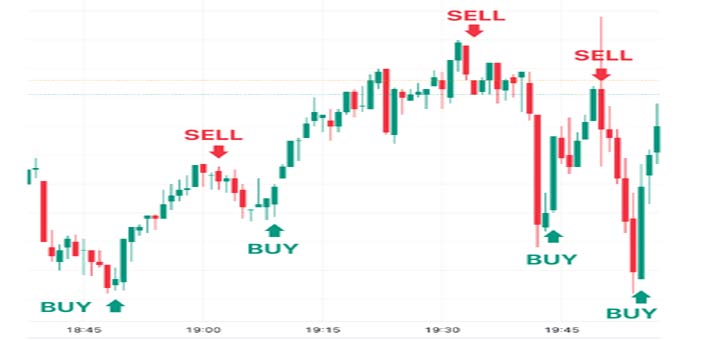
Scalping is a high-frequency trading strategy that utilizes the market's small price variances to achieve profits. Scalpers, seeking small gains by executing multiple successive trades over a small period, discuss market volatility to earn substantial returns. In contrast, scalping diverges from long-term investments by focusing on very keen price fluctuations every minute and utilizing technical analysis and chart patterns to find the best entry and exit points.
Because scalping seeks not to profit from large price movements, by perpetually securing modest profits, all these profits would eventually balloon. At the same time, scalping requires precision, discipline, and a sharp understanding of how market dynamics operate.
Is scalping a profitable option for the Indian market in 2025?
The profitability of scalping in a market is dependent on a variety of factors, including market conditions, trading skills, and instrument choice. Let's have a glimpse of whether or not scalping could be undertaken by traders on their way to participation in the 2025 trading realm of India:
1. Market Volatility: Many retail traders, coupled with a soaring participation in India's stock indexes—NIFTY and SENSEX—translate into a market volatility that is favorable to scalpers.
2. Advanced Technologies: The rise in trading technology, the empty curves of AI trading, and algo trading all highly leverage the scalping process.
3. Regulation: The SEBI's ongoing efforts to ensure transparency and fair play in Indian markets create an enabling environment for scalpers. However, it is crucial to monitor any new regulations.
4. Transaction Costs: Scalping involves frequent trading and high brokerage and transaction costs. Discount brokers with minimum fees are essential for remaining profitable.
Scalping Strategies
In 2025, traders will favor these techniques for scalping.
1. Market Making: Traders post buy and sell orders all around the current price to take money out of the spread. This can work very well with very liquid stocks and indices.
2. Momentum Scalping: Traders capitalize on the upswing or downswing of significant price fluctuations. This strategy relies heavily on technical indicators like moving averages and the Relative Strength Index (RSI).
3. Breakout Scalping: Scalpers make use of price breakouts from major support and resistance levels. This strategy often makes use of tools like Bollinger bands and pivot points.
4. Range Trading: Buying the lows and selling the highs while the price just oscillates up and down in a range would suit a range-scalping technique the best.
5. News-Based Scalping: News-based scalping would involve selling or buying financial instruments to and fro during critical events like earnings reports or economic releases causing rapid fluctuations.
The Major Factors in Scalping's Success
To be a successful scalper, traders need to meticulously thrash out the following factors:
1. Liquidity: Planning on highly liquid stocks, indexes, or other trading instruments is a positive aspect of scalp trading.
2. Speed: Always use a quick and reliable trading platform to enter and exit a trade immediately.
3. Risk Management: Just maintain a defined stop-loss level and risk-reward ratio in every trade.
4. Discipline: Discipline is the key element of success for any tradable strategy, not just scalping. Once you've chosen a method or strategy, you must overcome obstacles.
5. Market Knowledge: A scalper should be well aware of the market with all the trends, events, or whatever affects stock prices.
6. Technical Analysis: Make the call for the proper application and interpretation of technical indicators, chart patterns, and associated tools.