
Breadcrumb
Directional Strategy or Non-Directional Strategy
0/5 Stars Reviews (0) | 01 Feb 2025 / | Stock Market | Shekhar D | Visitor's : 33
Directional and non-directional strategies make up the world of trading and investment strategies.
Directional Strategy V/S Non-Directional Strategy
Directional and non-directional strategies make up the world of trading and investment strategies. Both of these strategies aim to make money but are set apart from each other by the sheer logic on which each is based, the action taken, and the degree of risk involved. Understanding these strategies in depth so traders can decide rationally depending on their goals, market view, and risk appetite becomes important.
What is a directional strategy?
A directional strategy refers to the trading approaches that seek to profit from the movement of an asset's price. It could be a price going up (bullish) or a price coming down (bearish). This strategy requires the trader to speculate on trends in prices based on technical laws, fundamental judgments, or market mood.
Key Features of Directional Strategies
• Market Dependency: Profit earning largely depends on whether the asset has been moving in the predetermined direction.
• Time Sensitivity: The more time the price takes to move, the more effects on profitability may come due to time decay (with options) or carrying costs.
• High Volatility Preference: It is often seen as under the limelight in a high-trade volatile segment.
Examples of Directional Strategies
1. Longs: Buying an asset, imagining the price will go up.
2. Shorting: Selling something one doesn't own with the view of it going down.
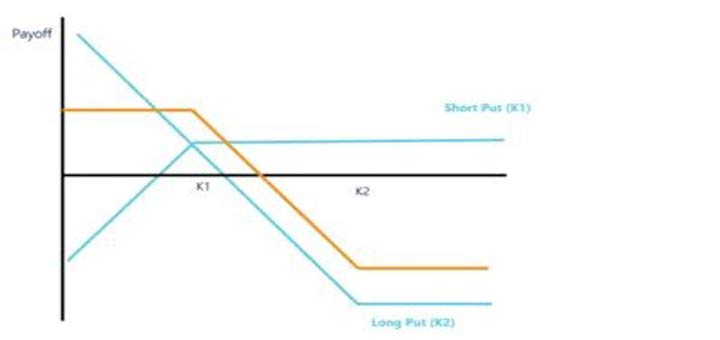
3. Bullish and Bearish Option Spreads: Profit from call spreads or put spreads when the price goes up or down.
4. Trend Trading: Acting with the most recent market trend.
What Is a Non-Directional Strategy?
The non-directional strategy aims to make money irrespective of the fact that the asset price moves up or down. These strategies do not anticipate market trends; rather, they concentrate on the conditions of the market, like volatility or time decay.
Key Features of Non-Directional Strategies
• Neutral Market Outlook: These strategies do not look at price direction in order to apply.
• Volatility Dependency: The performance of these strategies depends on volatility or price stability.
• Risk Mitigation: Although often less directional risk is present, other complications like exposure to volatility and mismanagement of time decay.
Examples of Non-Directional Strategies
1. Straddles and Strangles: Early buying or selling of buying puts and calls when expecting price volatility.
2. Iron Condors: A combination of spreads with a profitable model for range trading.
3. Market Neutral Strategies: Match long with short to eliminate market direction risk.
4. Delta Neutral Hedging: Balancing a portfolio to minimize sensitivity to price change.
Advantages of a Directional Strategy
1. High-Profit Potential: These can potentially gain traction during strong market renovations.
2. Ease of Understanding: This is simple to use among beginners with a basis in price trends.
3. Applicable Over a Range of Assets: Effective when used in trading on equities, forex, commodities, etc.
Advantages of Non-Directional Strategy
1. Market Flexibility: Works well in any market condition or direction of the market.
2. Risk Diversification: The risk in terms of price range vis-à-vis the non-directional strategy is considered lower on the whole.
3. Consistent Returns: Designed to work well in range-bound and low-volatility markets.
Risks Associated with Directional Strategies
- Market Volatility: This could cause sudden reversals leading to substantial losses.
2. Time Decay: With options, a price can erode if its expected move takes considerable time.
3. Overleveraging: amplifying losses can result from the use of high leverage.
Risks Associated with Non-Directional Strategy
1. Complexity: It takes a solid understanding of volatility, options, and market conditions.
2. Limited Profit Potential: The more aggressive directional strategy yields more profits.
3. Execution Risk: High costs and potential issues in properly managing hedging instruments.
Conclusion
Both the directed and non-directive strategies present their own merits, demerits, and areas of application. The directed strategies are catered to those who have a penchant for the accurate prediction of prices, whereas the non-directed strategies suit the traders interested in the state of the market instead of pondering over other factors like volatility and time decay. The choice of the implementation of the strategies depends on the level of the trader, the risk appetite, and the market expectations. Combining both strategies into a portfolio increases the trade exposure conservatively while ensuring a high return.