
Breadcrumb
What is Forex Trading?
0/5 Stars Reviews (0) | 31 Jan 2025 / | Forex | Shekhar D | Visitor's : 28
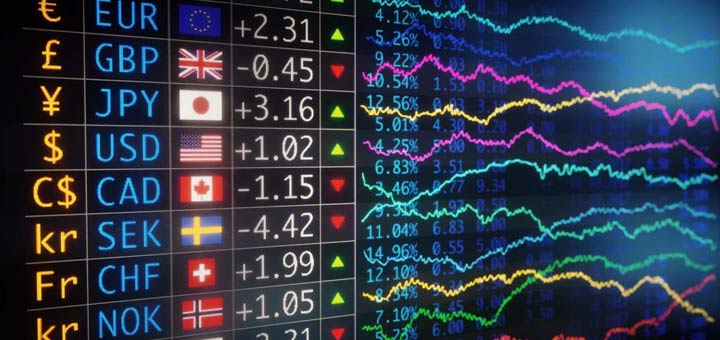
Forex trading refers to buying or selling different types of currencies to make a profit from variations in foreign exchange rates.
Forex Trading
Forex trading refers to buying or selling different types of currencies to make a profit from variations in foreign exchange rates. This is the biggest financial market all over the world, with a daily trade volume of a staggering 6.6 trillion dollars. Forex traders are into trading currency pairs like EUR/USD or USD/INR, speculating on the future value of these currencies.
The forex market is an OTC market where its participants, be they individuals or small brokerage firms, trade directly with one another rather than through a stock exchange or another matching mechanism. Anyone looking to deal with these risks will have to use defensive strategies to counterbalance the effects of fluctuating exchange rates; e.g., businesses can hedge against adverse changes in exchange rates to prevent increased costs in their home currencies.
Forex Trading Rules in India
The Foreign Exchange Management Act (FEMA) governs forex trading in India. Among other things, it is permissible, subject to specific regulations:
- Currency Pairs: Indian traders are only allowed to trade any currency pairs involving the Indian Rupee (INR)—trades like USD/EUR or EUR/JPY, for example, are prohibited.
- Platforms: You can conduct forex trading over reputable stock exchanges like the BSE and the NSE using derivative instruments like futures and options.
- Delivery Trading: It is illegal to directly trade in foreign currencies; instead, you must convert all profits and losses into Indian Rupees.
The pros and cons of forex trading
Pros:
- High Liquidity: Thanks to its vast size, it is a highly liquid market and enables quick transitions [5].
- 24/5 Trading: Being a weeklong business again within the forex industry, it allows traders a broader opportunity to trade against the opening days of other markets and offers a lot of flexibility [6].
- Leverage: Forex trading usually provides higher-than-normal leverage compared to stock trading, potentially increasing profits.
Cons:
- High Risk: There are high chances of loss from market volatility and leverage [6].
- Levels of Complexity: It implies having a good idea of economic indicators and geopolitical events that can influence currency values.
- Regulatory Constraints: It restricts the choice of trading avenues for Indian residents.
Taxes on Forex Trading in India
Profits from forex trading have to comply with Indian taxation guidelines. Significant points include:
- Income Tax: Profits are usually classified either as business income or capital gains, contingent upon the nature of the trading practices.
- GST: Depending on the materiality of the services, the rate of GST for forex transactions ranges from 5% to 18%.
- Reporting Requirements: For tax purposes, traders must maintain accurate records and report all profits in INR.
Knowing these terms will provide a helpful steer as they negotiate their way through the maze of forex trading, always respecting Indian regulations.